
"coffee roasting science"
1000 article(s) found

Boutique Coffee (part I): shallow roasting, single product, manor beans, the third wave of boutique coffee encyclopedia
Content Abstract: boutique Coffee (part I): shallow roasting, single products, Manor beans, the third Wave of Fine Coffee Encyclopedia focuses on the three waves of evolution, origin and variety of boutique coffee. The author spends two chapters on the evolution of three waves of fine coffee in the world over the past half a century, including the first wave of instant coffee, the second wave of coffee boutique and the third wave of coffee aesthetics.
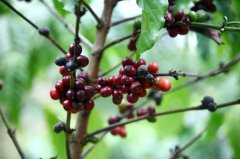
The classification of coffee roasting trilogy introduces how to be a qualified coffee roaster
Coffee roasting trilogy introduces how to be a qualified coffee roaster. Coffee roasting is a science that is easy to learn but difficult to master. Like cooking, anyone can cook food and eat it to satisfy hunger. But what level of food do you cook? How far and how big is the difference from "able to cook" to "Michelin three-star" chefs? Baking
Coffee Roasting Report
Coffee processing and roasting: When consigned coffee beans are traded on the market, the manufacturer who buys the coffee beans must first boil the coffee beans into juice for tasting. After the transaction, the coffee beans are roasted according to the demand of the sales market. Roasting is one of the most important factors affecting the taste and flavor of coffee. Baking itself is both a science and an art. Green C

Is it more healthy to drink moderately roasted coffee? Is deep roasting coffee healthy? Which baking degree can store the most antioxidants?
Professional barista communication Please follow the coffee workshop (Wechat official account cafe_style) for consumers, they may not need to know the details of the baking process, go directly to the store shelf to take a bag of cooked beans and go home; if you are more advanced, go to a small nearby cafe and talk to the boss (usually the boss is a good baker).

Easy to learn but difficult to learn the three levels of coffee roasting
Coffee roasting is a science that is easy to learn but difficult to master. Like cooking, anyone can cook food and eat it to satisfy hunger. But what level of food do you cook? How far and how big is the difference from "able to cook" to "Michelin three-star" chefs? The same is true of roasted coffee. Being able to bake coffee does not mean that it produces good coffee. We can simply put

Coffee roasting report the processing and roasting of coffee
Processing and roasting of coffee: when consignment coffee beans are on the market, the manufacturers who buy coffee beans should first boil the coffee beans into juice and taste them. After the transaction, the coffee beans are roasted according to the needs of the sales market. Among the many factors affecting the taste and flavor of coffee, roasting is the most important link. And baking itself is both a science and an art. Green C
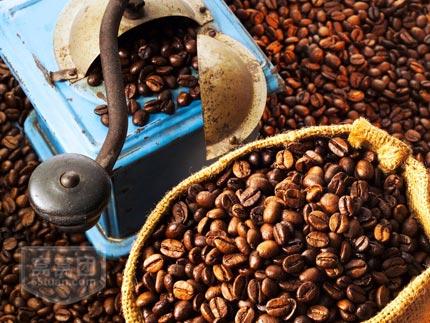
Technical skills of coffee roasting: an explanation of the changes in the three levels of roasting
Coffee roasting is a science that is easy to learn but difficult to master. Like cooking, anyone can cook food and eat it to satisfy hunger. But what level of food do you cook? How far and how big is the difference from "able to cook" to "Michelin three-star" chefs? The same is true of roasted coffee. Being able to bake coffee does not mean that it produces good coffee. We can simply put

Introduction of coffee roasting stage introduction of coffee roaster introduction of roasting degree of different coffee beans
To sum up, coffee roasting is a science. The age, density, hardness and moisture content of raw beans will affect the quality of roasted coffee. Even the relative humidity and temperature on the day of roasting should not ignore the coffee beans that have just been roasted. It is best to put them for 2-5 days, so that a large amount of carbon dioxide out of the coffee beans will be easier to drink. Hong Kong Coffee Club will choose one-way breathable valve aluminum foil.
The principle of coffee bean roaster the knowledge that coffee roasters must see
Baking is an esoteric science. To understand the principle of baking, we must first understand the three ways of heat conduction, convection and radiation. Conduction refers to when the heat is transmitted by the heat source, causing the surrounding molecules to vibrate and release heat, gradually moving from the high temperature to the low temperature. The conduction of stainless steel has the phenomenon of uneven heating, which can easily lead to colder and hotter parts of the pot.
Coffee roaster principle of coffee bean roaster
Baking is an esoteric science. To understand the principle of baking, we must first understand the three ways of heat conduction, convection and radiation. Conduction refers to when the heat is transmitted by the heat source, causing the surrounding molecules to vibrate and release heat, gradually moving from the high temperature to the low temperature. The conduction of stainless steel has the phenomenon of uneven heating, which can easily lead to colder and hotter parts of the pot.
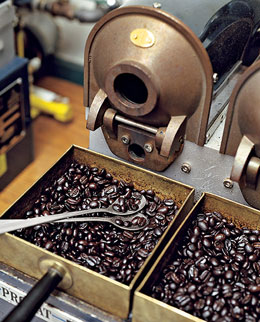
Coffee technology: an introduction to the three levels of roasting of raw coffee beans
Coffee roasting is a science that is easy to learn but difficult to master. Like cooking, anyone can cook food and eat it to satisfy hunger. But what level of food do you cook? How far and how big is the difference from a cook to a Michelin three-star chef? The same is true of roasted coffee. Being able to bake coffee does not mean that it produces good coffee. We can simply put the coffee
Boutique Coffee Science about the types of coffee beans
Small and round dark brown coffee beans, quietly emitting a fragrant fragrance in the grinder, injected into the cup showing the beautiful color of amber, these are the three very deep impressions of coffee. As you explore the history and beauty of coffee, you can also see the coffee trees that are caressed by the tropical sun and whose leaves twinkle. It has small white flowers similar to jasmine.

Coffee Bean Baking easy to learn but difficult to learn Coffee roasting at three levels
Coffee roasting is a science that is easy to learn but difficult to master. Like cooking, anyone can cook food and eat it to satisfy hunger. But what level of food do you cook? How far and how big is the difference from "able to cook" to "Michelin three-star" chefs? The same is true of roasted coffee. Being able to bake coffee does not mean that it produces good coffee. We can simply put

Popular science | introduce you to coffee from Central American countries (part two)
For the exchange of professional baristas, please pay attention to the coffee workshop (Wechat official account cafe_style). The latitude of Guatemala is about 15 degrees, because of the long mountains and great regional climate change, which has created the eight major coffee producing areas of the country, all located on the highland topography in the subtropical climate, with rich and stable rainfall and fertile volcanic ash soil.

The processing and roasting of coffee.
Processing and roasting of coffee: when consignment coffee beans are on the market, the manufacturers who buy coffee beans should first boil the coffee beans into juice and taste them. After the transaction, the coffee beans are roasted according to the needs of the sales market. Among the many factors affecting the taste and flavor of coffee, roasting is the most important link. And baking itself is both a science and an art. Green C
The non-enzymatic browning reaction of coffee roasting what happens to the caramelization reaction?
Baking basic science-browning reaction non-enzymatic browning reaction (Nonenzymatic Browning) non-enzymatic browning reaction is different from enzymatic browning reaction, non-enzymatic browning reaction does not need enzymes, but its reaction requires heat, sugar and amino acids. There are two non-enzymatic browning reactions related to coffee roasting: caramelization (caramelization recation) and Maillard reaction (Ma).

Coffee beans have lower caffeine after cold extraction. How do you make cold coffee?
For more information on coffee beans, please follow the coffee workshop (Wechat official account cafe_style) caffeine is a water-soluble substance, usually in the form of uncrystallized water or in the form of a crystalline water. Pure caffeine is white powder or white needle-like crystal, odorless, bitter taste. It is mentioned in Mr. Han Huaizong's Coffee Science that Robusta

Roasting process of coffee beans and matters needing attention
Among the many factors affecting the taste and flavor of coffee, roasting is the most important link. And baking itself is both a science and an art. During the roasting process of 8-20 minutes, raw coffee beans (Green coffee been) produce a series of complex changes: from the appearance, the coffee beans gradually change from light green to light yellow, light brown, brown, dark brown, such as
Fine coffee learn why pure coffee is bitter.
Thomas Hoffman of the University of Science and Technology in Munich, Germany, and his colleagues broke up with the brewed coffee again. After operating mass spectrometer analysis, Hoffman dissected one of its molecules, chlorogenic acid lactone, which is the differentiation product of chlorogenic acid (found in almost all plants). Hoffman's team then equipped a series of divergent coffees and measured them separately.

Starbucks Coffee Roasting Process Water Production Area Manor Treatment Introduction
Starbucks coffee roasting process in the water production area manor treatment method introduced Tip 1: to achieve the highest caramelization-caramelization is an important factor affecting coffee flavor, because the green beans will absorb a lot of heat when roasting, then the first cracking sound (1st cracking), at this time, sugar begins to convert into carbon dioxide, water continues to evaporate, coffee aroma will gradually emit